

Water Management Whatever the Weather
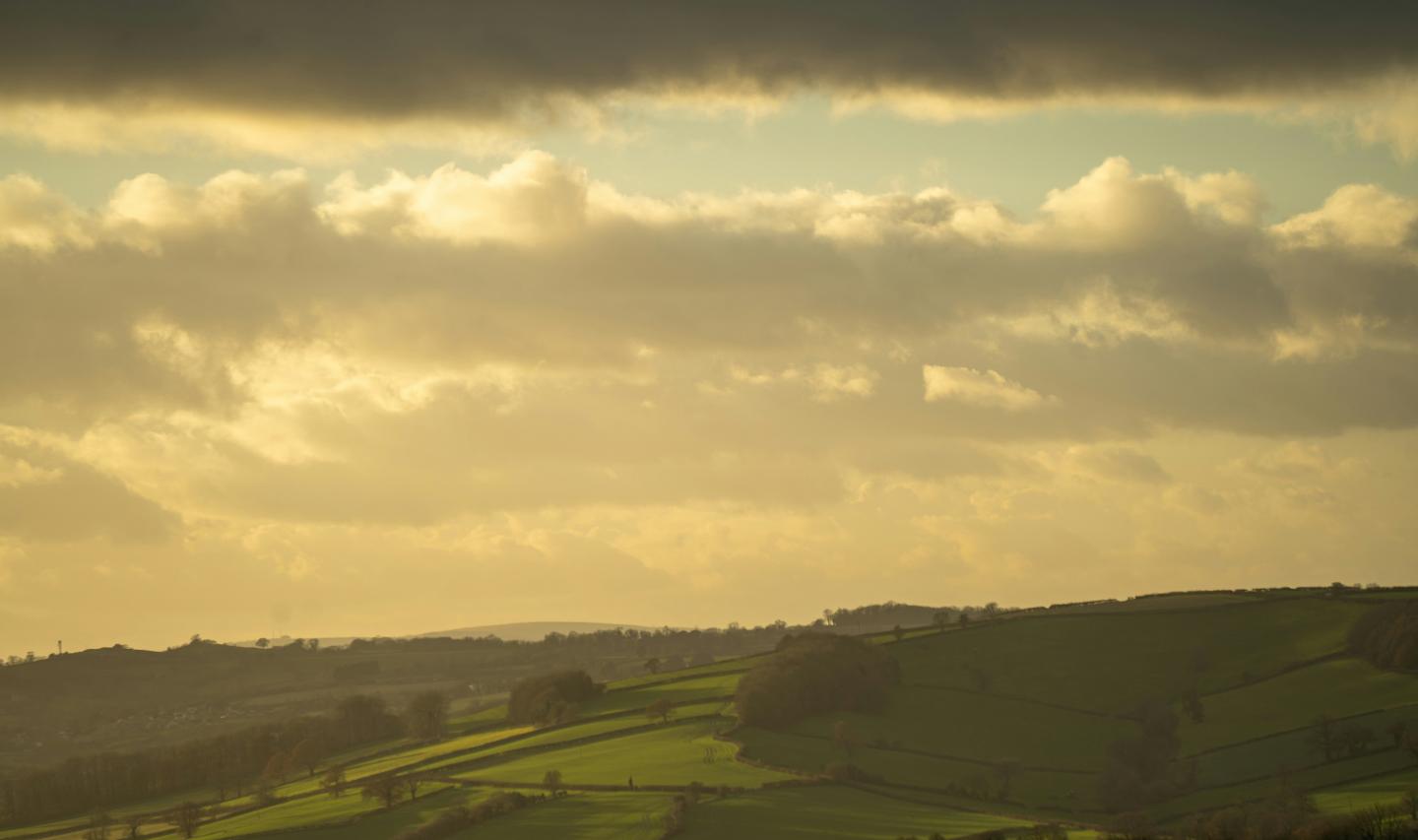
Climate and weather have always influenced farming, but increasingly variable conditions are making water management a growing priority for farm businesses across England. Farms can experience a wide range of weather patterns, from prolonged dry periods to intense rainfall events, sometimes within the same year. These changing conditions can affect crop production, livestock management and day-to-day farm operations. Effective water management can help businesses become more resilient by improving their ability to cope with both short-term weather challenges and longer-term climate variability.
Drought and flooding
Weather-related water challenges can affect farm businesses in different ways.
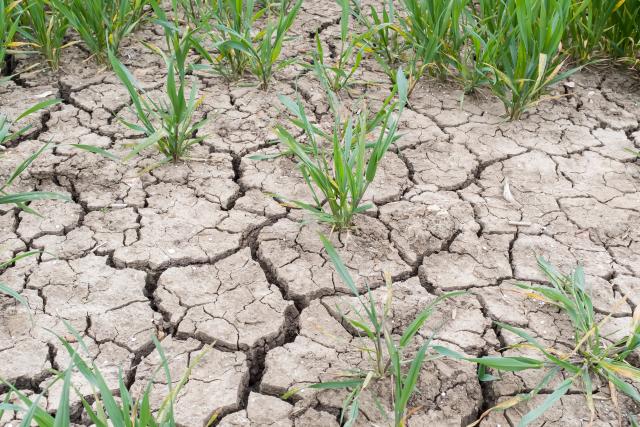
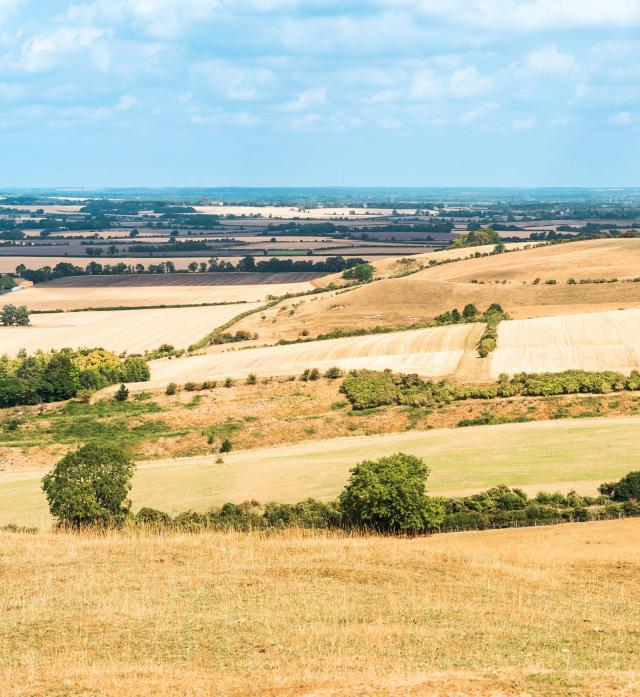
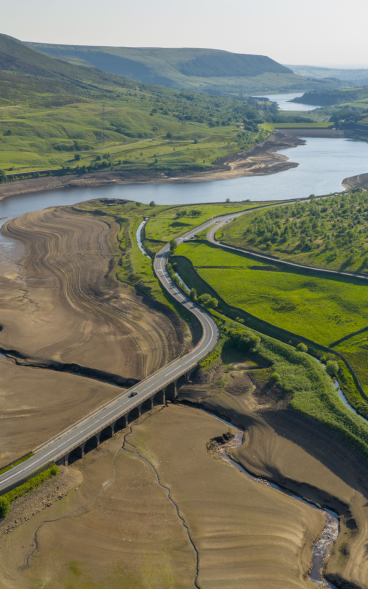
This summer, drought conditions affected 71.3% of England, with July recorded as the driest month in nearly 190 years, highlighting the pressures that prolonged periods of low rainfall can place on agriculture.
Reduced rainfall can limit crop and grass growth, place pressure on water supplies and increase feed and irrigation costs. Hot, dry conditions can also increase the risk of wildfires, contribute to heat stress in livestock and encourage the spread of insect-borne diseases such as bluetongue.
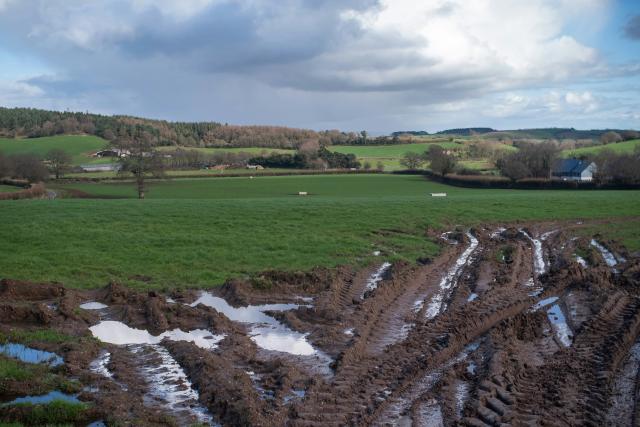
While recent conditions have highlighted the impacts of drought, periods of heavy rainfall can present equally significant challenges. Flooding can lead to waterlogged soils, delayed field operations, crop damage and impacts on farm infrastructure.
The aim is not to prepare for a specific weather event, but to build resilience to an increasingly variable climate. Measures that improve soil water storage, reduce runoff and increase infiltration can help farms adapt to changing conditions and be better prepared for both everyday weather fluctuations and more extreme events.
Water management adaptation measures
The table below presents a range of actions, showing how different measures can help farms build resilience to a changing climate and manage water effectively, whatever the weather. Catchment Sensitive Farming can provide advice to support these actions.
Business planning and risk management
| Measure | Description |
| Risk management | Identifying and assessing weather-related risks helps prioritise actions that improve resilience and business continuity. |
| Drought and flooding contingency planning | Helps businesses prepare for weather extremes, reduce disruption and identify actions to protect crops, livestock and water supplies. |
| Map farm water supply and drainage | Improves understanding of water management across the farm, supporting drought planning and flood management. |

Livestock resilience
| Measure | Description |
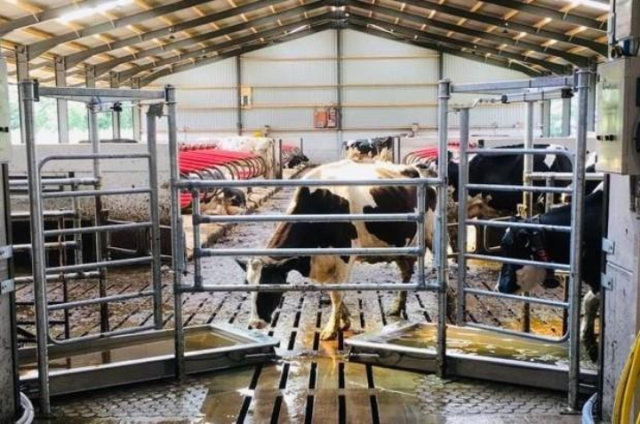
| Improved livestock housing | Improved ventilation, cooling and drainage help protect animal health and welfare during periods of heat, humidity and heavy rainfall. |
| Access to clean drinking water for livestock | Ensures animals remain hydrated during hot weather and periods of reduced water availability. |
Crop and forage resilience
| Measure | Description |
| Drought/heat tolerant varieties | Select varieties and manage crops to maximise resilience to drought/water availability. |
| Deeper rooting forage species | Access water from deeper soil layers, improving forage production during drought conditions. |
| Establish herbal leys | Diverse rooting depths improve drought tolerance, soil structure and water infiltration. |
| Cover crop | Protect soil from erosion, improve water infiltration and help retain moisture between cash crops. |
Water efficiency and drought resilience
| Measure | Description |
| Review water use (audits) | Assessment of where, when and how much water is used over a given period to identify opportunities to improve water efficiency and reduce demand. |
| Rainwater harvesting | Collection and storage of rainwater for later use, improving efficiency and resilience. |
| Precision/efficient irrigation | Trickle systems, self-closing nozzles, staff training, increased nocturnal irrigation and tensiometers to improve water-use efficiency. |
| Water recycling | Maximises water reuse and reduces reliance on external water supplies. |
| Locating and repairing leaky pipes and drainage systems | Reduces water losses, improves efficiency and prevents avoidable waste. |
| Water storage | Storage to increase water availability during dry periods and improve business resilience. |
Soil health and water retention
| Measure | Description |
| Soil management plan | Identifies actions to improve soil health, water retention and drainage, increasing resilience. |
| Maintain and enhance soil organic matter | Improves water infiltration, water-holding capacity and soil structure, helping soils cope with both drought and heavy rainfall. |
| Adopt minimal cultivation systems | Helps protect soil structure, retain moisture and reduce erosion during heavy rainfall. |
| Loosen compacted soil | Improves drainage, root growth and water infiltration, reducing runoff and waterlogging. |
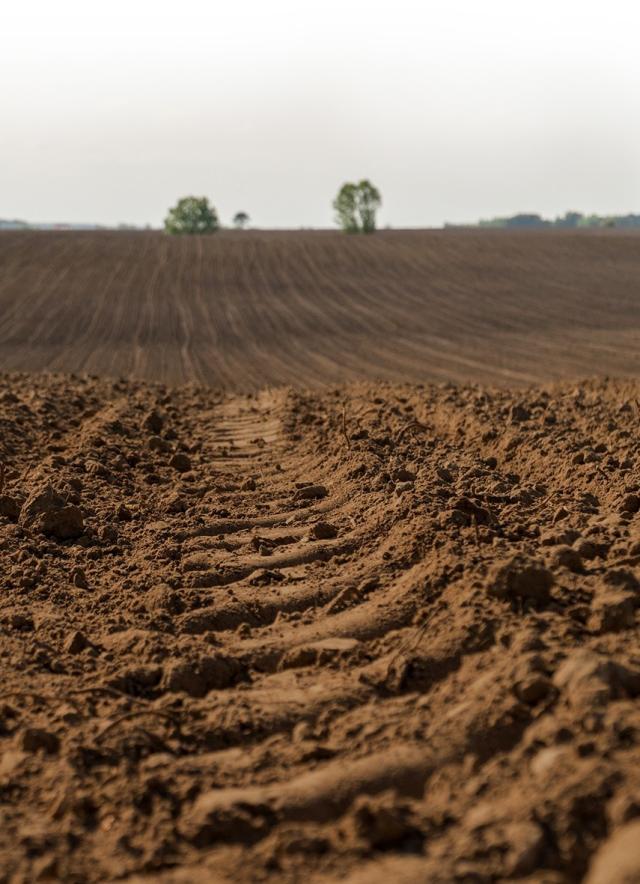
| Avoid tramlines in winter | Minimises soil compaction and runoff, helping maintain soil structure and reducing erosion risk. |
Flood and runoff management
| Measure | Description |
| Separate clean and dirty water | Reduces contamination risks, improves water management and can increase opportunities for water reuse. |
| Runoff storage | Ponds, scrapes, bunds and swales capture excess rainfall, reducing flood risk. |
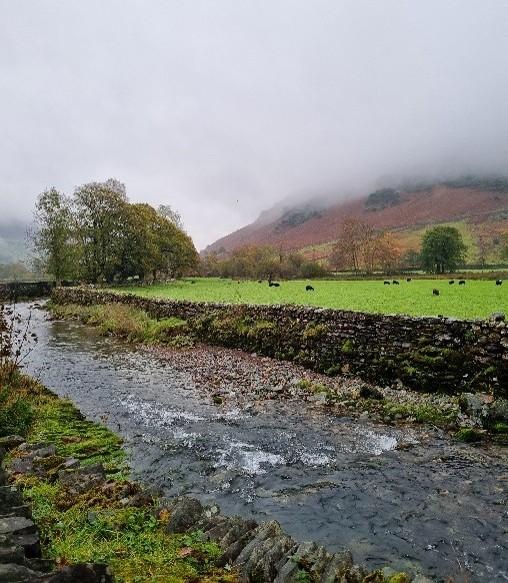
| Buffers | Vegetated buffer strips slow runoff, reduce soil loss and help protect watercourses during heavy rainfall. |
| Trap silt and sediment | Traps soil and nutrient losses during heavy rain and helps protect watercourses. |
The practices listed in this table include both established Catchment Sensitive Farming (CSF) advice and research undertaken by the Met Office through their Food, Farming and Natural Environment Climate Service.
Catchment Sensitive Farming is a Defra funded advice service in England which helps help farmers produce food in a way that protects their local water, air, and soil.
Your local CSF adviser can commission a range of specialist advice which can assist in sustainable water use and flood, including:
- Improving Soil Management
- Water Flow Management
- Water Holding Structures
- Natural Flood Management
- Sustainable Water Use
You can visit the CSF pages here Catchment Sensitive Farming - Our advice | Farming Advice Service to find the email address of your local team to access tailored advice for your business.
Opportunities for collaborative,
catchment-scale approaches
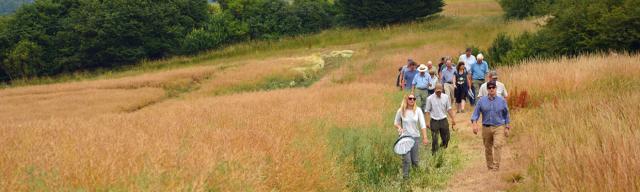
Catchment scale approaches take many different forms. Farm cluster groups are an ideal starting point if you are interested in working with other farmers to address shared goals in your area, including water resilience. For information about farm clusters in your area visit: https://www.farmerclusters.com/
In addition, Defra has made funding available through the Farmer Collaboration Fund to facilitate farmers to:
- share their experiences
- learn from each other
- try new working practices
Round 1 of the Farmer Collaboration Fund closed in September, with successful bids expected to be announced soon.
Schemes and grants
Building resilience to changing weather conditions often involves investment in new infrastructure, equipment or management practices. A range of grants and funding opportunities may be available to support actions that improve water management, soil health and overall farm resilience.
As of October 2026, Defra has indicated that further support for farmers affected by drought is being considered through adjustments to existing schemes, including the Sustainable Farming Incentive (SFI), Countryside Stewardship (CS) and Higher Level Stewardship under Environmental Stewardship (ES).
These include:
- Higher Tier Capital Grants, which can support a range of environmental and water management improvements.
- The re-opening of the Water Management Grant, with £15 million announced to help farmers invest in reservoirs to improve water storage and irrigation capacity.
As grant schemes and eligibility requirements can change, farmers are encouraged to check the latest guidance and application information before making investment decisions.
Further support
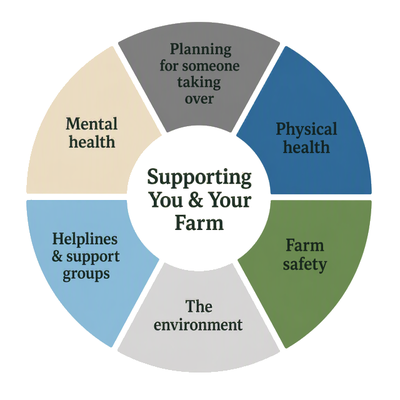
Increasingly unpredictable weather can create additional stress and uncertainty for farm businesses, with potential impacts on mental health and wellbeing. Information on available support can be found on the Farming Advice Service Farm Continuity Planning page.
Cambridgeshire case study
In Cambridgeshire, CSF are working with the local fire service to use on-farm rainwater tanks as emergency sources in the event of fire. Farmers can register they’re equipment with the fire service and it will appear as a water access point on front-line fire engines. Other fire services are now exploring how they can roll it out across the country.
- Natural England farmer/adviser blog - How Natural England Are Working in Partnership to Help Farmers Save Crops, Wildlife, Habitat, and Lives – Natural England
- Cambs Fire Service sign-up page - Rainwater harvesting
- National Farmers Union press - Working in partnership to tackle farm fires – NFUonline
Met Office Food Farming and Natural Environment Climate Service
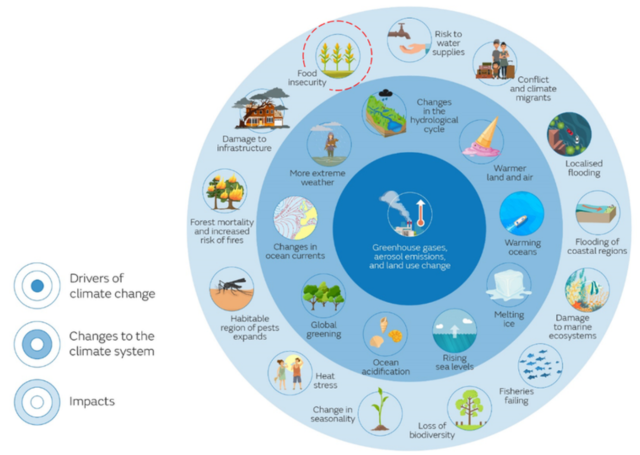
Met Office science is helping UK farmers and the wider food chain prepare for a changing climate. This work includes a number of ‘Climate Services’ which are funded by Defra. These include:
- Research to assess resilience measures that support UK agriculture in adapting to drought, extreme heat, and wildfires
- Research to assess resilience measures that support UK agriculture in adapting to changing seasonality and extreme rainfall
For more information, visit the Food, Farming and Natural Environment Climate Service
Upcoming events: Met Office and CSF Climate Adaptation Advice
Building on this research, Catchment Sensitive Farming is trialling work with the Met Office through their Food, Farming and Natural Environment Climate Service to deliver targeted advice for climate change adaptation through events and one-to one advice. Events will be promoted on the CSF area of Farming Advice Service website here Events | Farming Advice Service.