
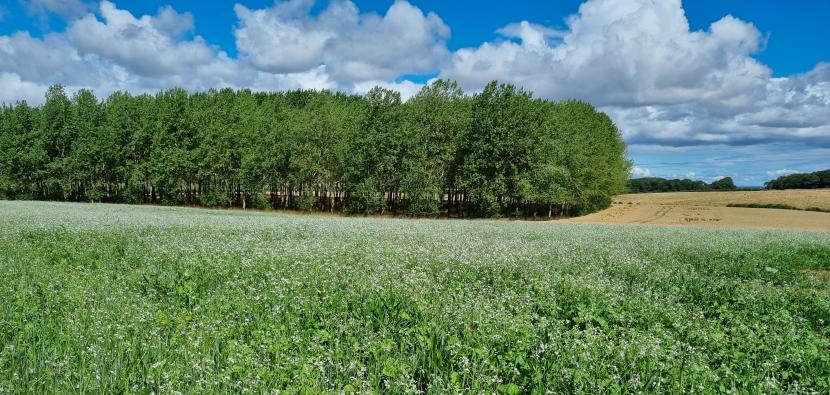
Trees: A powerful tool for tackling diffuse agricultural pollution
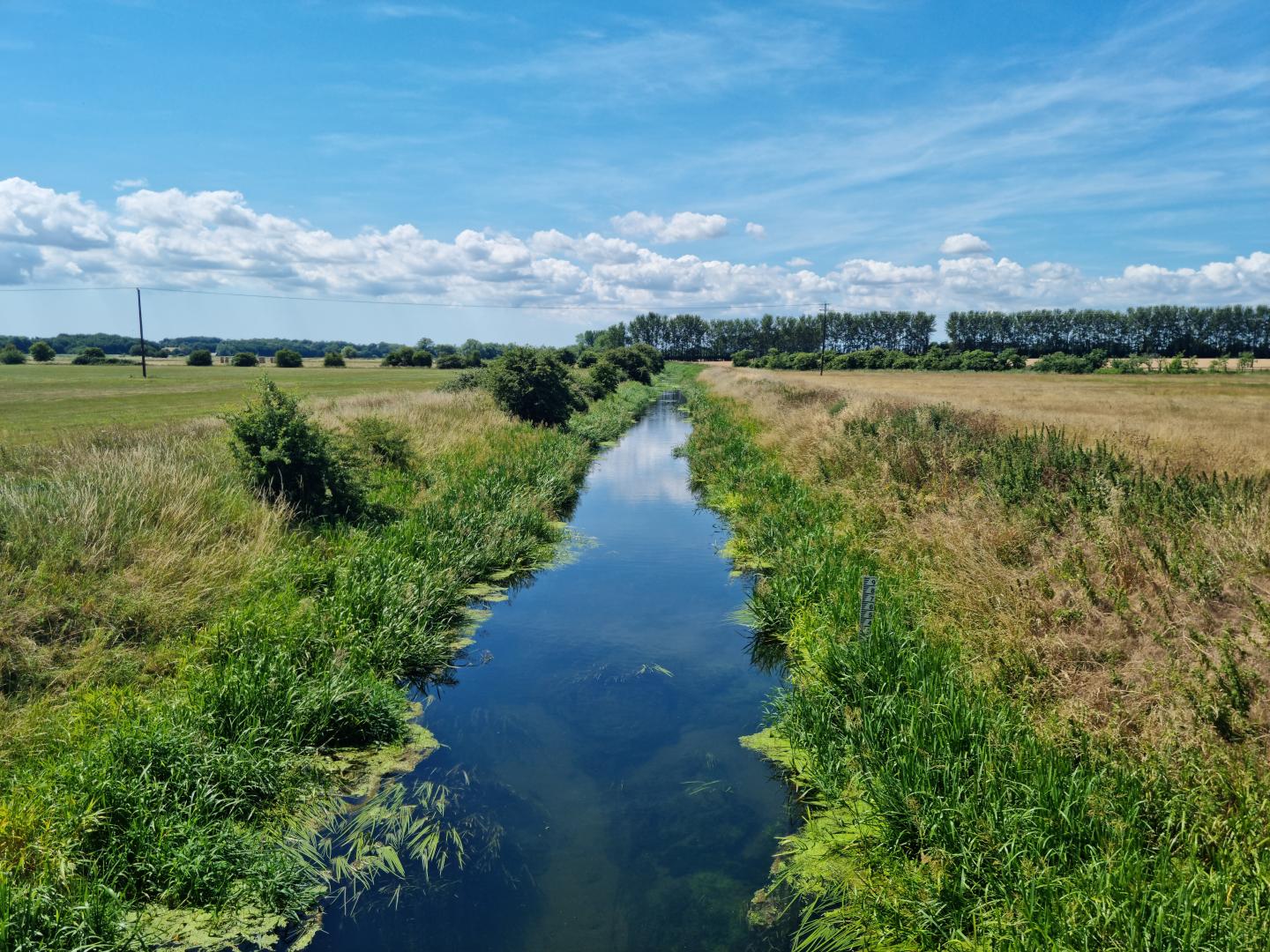
Diffuse agricultural pollution occurs when soil, nutrients and other substances are washed or blown from farmland into watercourses or groundwater.
Key pollutants include:
- sediment from eroded soils
- nutrients, particularly nitrogen (nitrate and ammonia) and phosphorus (phosphate) from fertilisers and manures
- faecal indicator organisms (FIOs) from livestock
- pesticides
- organic matter, contributing to biochemical oxygen demand (BOD)
Pollutants typically reach water through rainfall driven runoff, soil erosion, land drains and field gateways, or via livestock access to streams. Sources of pollution can be spread across fields and holdings, so it can be hard to trace their impacts back to one activity or location.
The consequences are well documented . Excess nutrients can drive algal growth and reduce oxygen levels in rivers. Fine sediment smothers fish spawning gravels and invertebrate habitat. Pesticides and pathogens can threaten drinking water abstraction and aquatic ecology.
Why trees matter for water quality
Trees and woodlands influence how water moves through the landscape. When they are carefully targeted and well designed, they can significantly reduce diffuse pollutants from agriculture entering water. Trees and woodland creation can contribute to water protection in two main ways:
- Intercepting and buffering pollutants. Trees are planted to interrupt runoff from upslope fields before pollutants reach watercourses
- Restructuring farm activity. Converting areas close to rivers to woodland or agroforestry systems so that the risk of diffuse pollution is lowered
Location and design are critical. The right trees in the right place make all the difference.
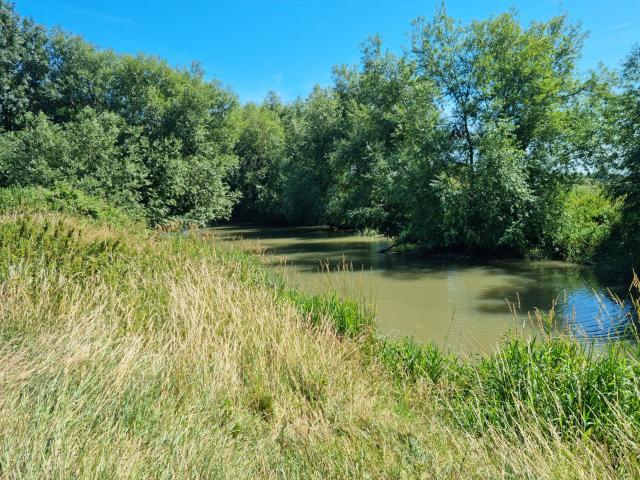
How trees help reduce pollution
1. Trapping sediment and nutrients
Woodland provides permanent ground cover. Leaf litter, roots and understorey vegetation protect soil from erosion and slow overland flow trapping sediment and sediment‑bound nutrients before reaching ditches or streams. Evidence suggests that woodland planting can reduce the amount of sediment loss into rivers by 90% to 100% compared with arable land or improved pasture, while woodland buffers can reduce phosphate losses by 10% to 60%.
2. Slowing and filtering runoff
Tree canopies intercept rainfall, while tree roots improve soil structure as they create small pockets of air, allowing water to get into the soil and enhancing infiltration. Together they slow runoff and reduce the volume of water reaching watercourses. Woodland planted across slopes, at field edges or in floodplain locations can slow water flow pathways, increasing the opportunity for fertilisers to be retained in soils.
3. Reducing nutrient and pesticide inputs
New woodland typically requires no routine fertiliser or pesticide applications. Where woodland replaces high nutrient input land uses, the amount of pesticides reaching a river can be reduced by 70% to 90%, depending on location and woodland type.
4. Protecting watercourses directly
Riparian woodland planted alongside rivers and streams provides multiple benefits. Tree roots stabilise banks, reducing erosion. Shade moderates water temperature, benefiting fish and invertebrates. Riparian buffer strips can reduce spray drift and intercept runoff before it enters the water channel.
Practical opportunities on farm
Trees do not need to dominate a farmed landscape to make a difference. Even small, strategically located areas can deliver significant benefits.
- Planting woodland in wet corners or flood‑prone fields, that are no longer productive
- Agroforestry systems that integrate trees with crops or livestock
- Tree planting around farmyards or slurry stores to filter runoff and capture ammonia
- Creating woodland in uncultivated strips at the edge of watercourses
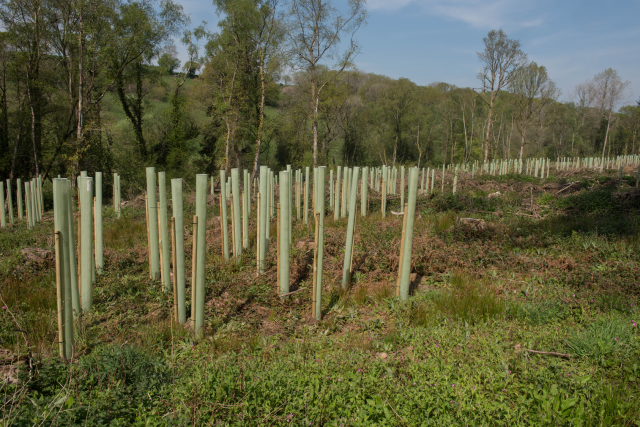
A farm example: Heathpatch dairy farm
James Buckle of Heathpatch Ltd Dairy Farm near Ipswich, said:
"At Heathpatch, we've always believed that farming and nature recovery should go hand in hand. Our recent woodland creation work, supported through the England Woodland Creation Offer, has helped us connect existing habitats while also delivering important benefits for water quality. By converting some agricultural land to woodland, we've reduced the need for fertilisers and herbicides in parts of the catchment, lowering the risk of pollutants entering nearby watercourses.
"Along the River Brett, we've combined tree planting with wider river restoration measures, including fencing livestock away from riverbanks and establishing riparian buffer strips. These measures help slow water movement, reduce soil erosion and filter sediment and nutrients before they reach the river. We've already seen improvements in habitat quality, increased biodiversity and greater resilience across the landscape.
"For us, woodland creation is about taking a long-term approach that benefits the farm business, wildlife and the health of our local waterways for future generations."
Wider benefits beyond water
As well as water quality improvements, trees on farms can deliver wider benefits, including carbon sequestration, flood risk reduction, shelter for livestock, biodiversity gains and diversified income streams from timber, wood fuel or carbon markets.
Support and advice available
| Grants and incentives | There is a range of grants available to support tree planting for water, climate and farm resilience objectives, including woodland creation grants and maintenance payments. |
| Joined‑up advice | Farmers and land managers are not expected to navigate this alone. Advice on trees, water and farming is joined up across organisations, particularly between the Forestry Commission, Catchment Sensitive Farming and Natural England. |
| Forestry Commission | Forestry Commission advisors provide support including farm visits and opportunity reports on designing woodland to meet your farm objectives, as well as water, carbon and biodiversity benefits. They can advise on species choice and layout, woodland creation grants and incentives, and integrating trees into a farm business. |
| Catchment Sensitive Farming (CSF) | CSF provides advice to farmers to reduce air, water and soil pollution. Advisers offer farm visits to identify pollution risks, suggest practical soil management actions, nutrient planning, and infrastructure. |
| Natural England | Natural England Treescapes advisers support farmers and land managers to help nature thrive alongside a farm business, when creating new woody habitats on farm (including woodland, wood pasture, traditional orchards, agroforestry, trees outside woods and scrub). |
Looking ahead
- Explore how trees could work for you. Visit the Forestry Commission’s woodland creation pages: https://www.gov.uk/guidance/create-woodland-overview
- Seek specialist air, water, and soil advice. Contact Catchment Sensitive Farming: https://www.farmingadviceservice.org.uk/csf
- Learn how to help nature thrive. Reach out to Natural England Treescapes for advice about nature when creating woody habitats: woodlandcreation@naturalengland.org.uk
- Ask about joined‑up support Whether you first speak to the Forestry Commission, CSF or Natural England, ask how they can work together to support your holding.
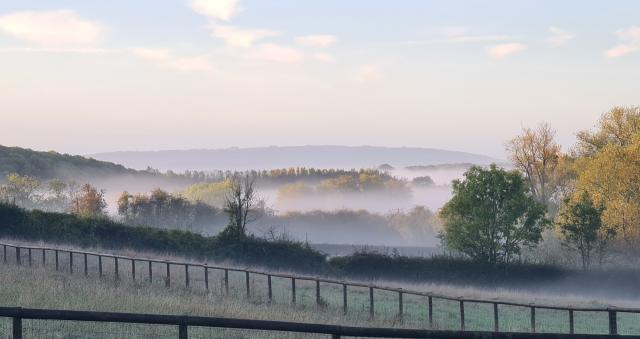
Targeted tree planting, backed by joined-up advice, can protect water, strengthen farm resilience and deliver long-term benefits for your land and business.