

Thank you for continuing to subscribe to our monthly newsletter. We hope you continue to find the content useful and we welcome any feedback or suggestions on topics that you would like to see covered in future editions of the newsletter.
FAS technical advice line: 03000 200 301
- Key dates to be aware of
- FAS Webinar Recording - The Sustainable Farming Incentive Offer 2026
- Upcoming Events
- Window 1 of the Sustainable Farming Incentive 2026 (SFI26) is now open
- New Funding Available for Lowland Peat Soils
- Government publishes Farming Roadmap 2050: Growing England's Future
- Managing Your Reservoir In Dry Weather
- New Pig Sector Survey
- A Reminder of the Hedgerow Regulations
- Making Tax Digital for Income Tax: First Quarterly Update deadline
- How Countryside Stewardship Higher Tier helped a Dorset farmer become more sustainable
- Trees on Farm: The Rise of Agroforestry across England
- How to apply for consent for Sustainable Farming Incentive (SFI) actions on Sites of Special Scientific Interest (SSSIs)
- Updates from the Environment Agency’s Water Resources team
- Updates from the Defra Farming blog and industry announcements
- Get a funded vet visit for poultry
- Preparing your business for smoother trade with the EU: Further information published
- Expert-led recommendations published for a new bovine TB control strategy
- Boosting farming innovation: £123 million to back England's farmers
- Rural Payments Agency: Updates and Guidance
- How can we help you?
- Stay up to date with us
Applications for Window 1 of the NEW SFI26 scheme opened today (30 June 2026)
Check eligibility and find application guidance on the Defra blog - SFI26: Window 1 now open
Applications for local water resources options screening study close today.
The study details can be found here; How to apply for a local water resources options screening study - GOV.UK
The application deadline for the ADOPT Facilitator Support Grant – Round 9 is 8 July. Competition overview - ADOPT Facilitator Support Grant: Round 9 - Innovation Funding Service
The application deadline for the Full ADOPT Grant – Round 8 is 29 July. Competition overview - Full ADOPT Grant: Round 8 - Innovation Funding Service
FAS Webinar - The Sustainable Farming Offer 2026
View the recording of the June 2026 FAS webinar on the Sustainable Farming Incentive 2026 (SFI26) offer.
This webinar was delivered in partnership with Defra, the Rural Payments Agency and Catchment Sensitive Farming.
You can view this webinar recording with Closed Captions (subtitles) or the full transcript by selecting these options in the bottom-right of the video screen.
Topics covered include:
- Sustainable Farming Incentive Policy Update from Defra
- Getting ready to apply for SFI26 from the RPA
- Supporting your farm with CSF Advice & SFI from CSF
- The new SFI Cost/Benefit Tool from AHDB
- Audience Q&A
Links to resources mentioned in the webinar can be found on the SFI Webinar page.
Upcoming Events
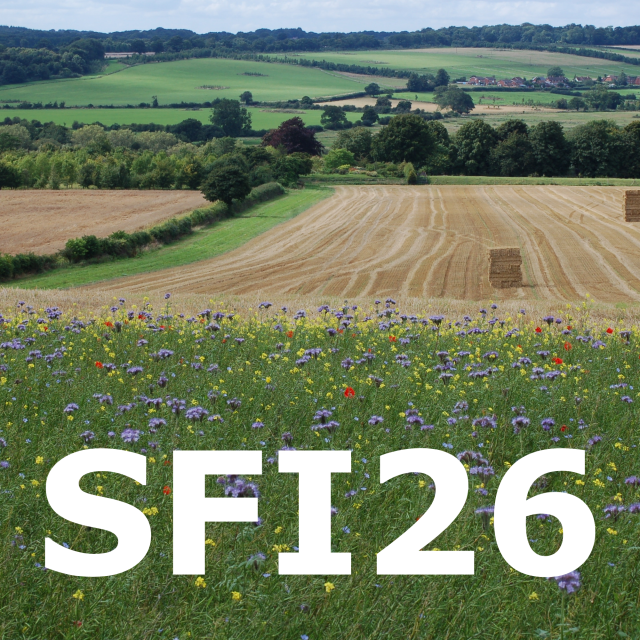
Window 1 of the SFI26 is now open
The first application window for the Sustainable Farming Incentive 2026 (SFI26) is now open.
Window 1 is open to two groups:
- small farms with between three and 50 hectares of agricultural land
- farms larger than three hectares without an existing Environmental Land Management (ELM) revenue agreement
You only need to be in one of the groups to apply. You can find the eligibility criteria for Window 1 in the SFI26 scheme rules and guidance on GOV.UK.
The total budget for SFI26 agreements will be £240 million. £60 million of this will be available for Window 1. Any funding not allocated through Window 1 will be available to applicants in Window 2 with the remainder of the total budget.
Defra will publish updates when approximately 25%, 50% and 75% of the Window 1 budget has been allocated, but they encourage eligible farmers to apply as early as possible. If you're eligible for Window 1 but do not apply during this window, you can apply in Window 2 later this year instead.
For farmers with SFI23, CSMT, CSHT or HLS agreements which expire by the end of February 2027, Defra and the RPA are developing functionality in the SFI26 application service to you to apply for land in those expiring agreements before their existing agreements expire. This new functionality will be available for Window 2 (from September 2026).
This video from the RPA explains how to apply online for the Sustainable Farming Incentive 2026 (SFI26).
You can find the full SFI26 scheme information on GOV.UK: https://www.gov.uk/government/publications/sustainable-farming-incentive-2026-sfi26
Use the 'Find funding for land or farms' tool to find out more about all available SFI26 actions: https://www.gov.uk/find-funding-for-land-or-farms
For more information, read the Defra Farming Blog - SFI26: Window 1 now open
From the 29 June, farmers and land managers on lowland peat soils can apply for two new grants for lowland peat soils.
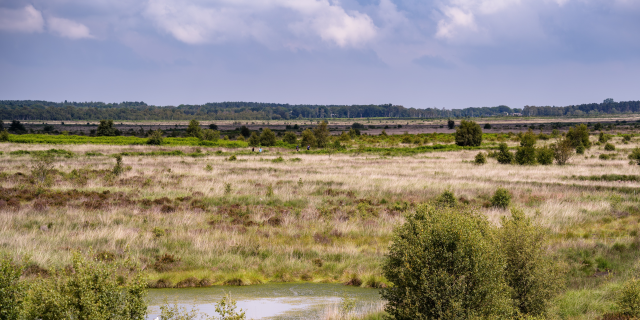
The Lowland Peat Water Implementation Grant
Through the Lowland Peat Water Implementation Grant, £36 million is available to support water management infrastructure projects on lowland peat soils.
It will do this by funding facilitation grants to enable farmers and land managers to make changes to their water management and undertake more sustainable actions on peat.
This can help to:
- protect peat soils from degradation
- improve long-term land viability
- support more resilient farming systems
The grant scheme is now open and closes at 11.59pm on 18 September 2026.
The Paludiculture and Wetter Farming Fund
Through the Paludiculture and Wetter Farming Fund, £10 million in grant funding is available to support research into viable markets for paludiculture. The fund will improve understanding of the water management, machinery, harvesting and processing needed to create viable markets for food and fibre crops grown at high water tables.
This can help to:
- diversify income
- explore new cropping opportunities
- build long-term business resilience
- transition to more sustainable land use on lowland peat
The fund is open now and closes at 5pm on 21 August 2026.
Find out more about the Paludiculture and Wetter Farming Fund.

Latest from Defra on Farming Roadmap 2050
"For the first time in this country's history, the government is committing to the future of farming beyond the next harvest with the Farming Roadmap announced today. This Roadmap marks the most significant moment for English agriculture since the Second World War.
Farming Roadmap 2050: Growing England's Future sets out a practical vision for the years ahead with profitable food production and developing resilience to changing climates and global shocks. Backed by immediate action set out today, farmers will have better access to the tools, technology, skills and supply chains they need to invest, innovate and grow.
This vision has been developed by government in partnership with farmers, reflecting lived experience from across the sector, and underpins a permanent shift in the relationship between government and farmers.
What the Roadmap means for farmers
The roadmap sets out clear roles for the government and for farmers, the supply chain and the wider sector to make this vision a reality, giving the sector confidence to invest to grow their businesses, plan for the future and secure farms for the next generation. It is organised around three outcomes:
- Profitable and productive: Government will ensure supply chains work fairly, including supporting co-operatives so farmers strengthen their bargaining power. The Farming and Food Partnership Board will bring government and industry together to strengthen supply chains and open clearer routes to market so British food can reach more customers at home and abroad, with Sector Growth Plans for horticulture and poultry already in development.
- Sustainable: Food security, profitable farming and a healthy natural environment depend on each other. Environmental Land Management schemes, backed by £11.8 billion over this parliament, are already delivering sustainable and profitable farming, now and for the future.
- Resilient: Resilience will be at the heart of running a profitable, productive and sustainable farm business. Government is backing this with a £53 million boost for the Farming Innovation Programme, announced today. This brings total agricultural innovation funding to £123 million this year. In addition, securing a sustainable labour pipeline and giving tenant farmers the confidence to invest and plan for the long term. With the growing impacts of extreme weather and climate, farmers can adapt through nature-based solutions such as improved soil health and water management, helping reduce flooding and protect yields.
Immediate action on farm profitability
Government is also publishing today it’s response to Baroness Batters’ independent Farming Profitability Review. The roadmap sets the long-term direction, and our response to the Farming Profitability Review shows how Government is taking immediate action to improve farm profitability. Measures include:
- Opening the new SFI26 application window to all eligible farmers this month
- Opening the new £30 million Farmer Collaboration Fund this summer to support groups of farmers to grow their businesses, build partnerships and share best practice
- Extending supply chain fair dealing regulations to egg producers and fresh produce
- Launching a dedicated task-and-finish group to unlock private sector investment in sustainable farming
- Transferring the Groceries Code Adjudicator from the Department of Business and Trade to Defra to support a more joined-up approach to food supply chain fairness
- Considering changes to the National Planning Policy Framework following recent consultation, including proposals to make the system more supportive of the infrastructure farmers need.
- Establishing a new UK-EU Sanitary and Phytosanitary area to cut export friction
Standing alongside farmers
Government stands alongside farmers through global uncertainty, taking decisive action to reduce operating costs for farmers. We’re slashing the fuel duty on red diesel to its lowest rate in over 20 years - an 88% tax discount on the standard fuel duty rate. We are also seeking views on suspending fertiliser tariffs.
The vision the Farming Roadmap establishes is designed to help our food system become less vulnerable to global crises in the long term, equipping farmers to manage volatility more effectively.
The Farming Roadmap consolidates many government strategies that impact farming into a single, farmer-focused direction of travel."
Find out more
Read more about the Farming Roadmap and the response to the Farming Profitability Review on the Defra Farming Blog.
Although there are currently no drought conditions, it is important to prepare for potential dry weather impacts during summer.
Reservoirs may not fail from a single extreme event but from the cumulative effects of repeated environmental stresses. Earthwork structures are particularly vulnerable to long-term physical and climatic changes, making regular monitoring essential.
Prolonged dry weather may require more frequent inspections, repairs, and engineering input to improve resilience. Increasing the frequency and detail of checks is the most effective improvement you can make with the guidance of an engineer.
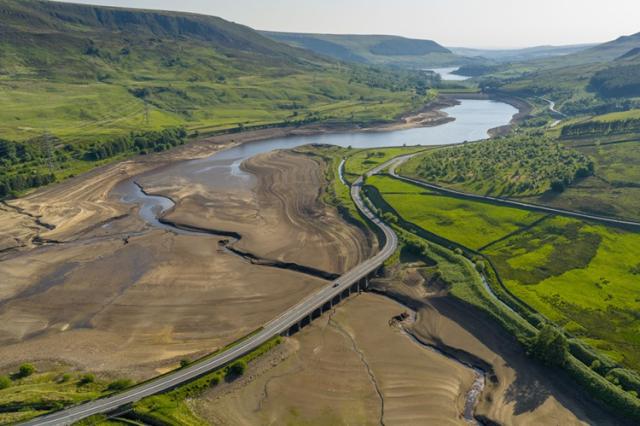
Drought can dry and shrink embankment soils, causing cracks that allow water ingress, increasing the risk of slips, erosion, and internal damage. Vegetation may die, reducing erosion protection, while burrowing animals can create pathways for internal erosion. Heavy rainfall following dry periods can lead to rapid saturation, increasing the risk of landslips. Signs of damage include surface water, muddy or disturbed ground, cracks, bulging slopes, and poor vegetation.
Fire risk also increases during drought. Wildfires can destroy vegetation, weaken embankments, damage materials, and increase runoff and debris, which may block spillways or outlet structures.
Maintenance should include monitoring and recording cracks, maintaining healthy grass cover, clearing debris, and consulting a Supervising Engineer before major repairs. Improving resilience may involve using drought-resistant grass, creating fire breaks, and planning vegetation management.
Regular inspections, early detection, and maintenance are key to ensuring reservoir safety under changing climate conditions.
Further information can be found at https://www.gov.uk/guidance/reservoirs-managing-your-reservoir-in-extreme-weather
A new survey is now live which invites producers, processors and others working across the Pig Sector to share their experiences and reflections.
Complete the survey here
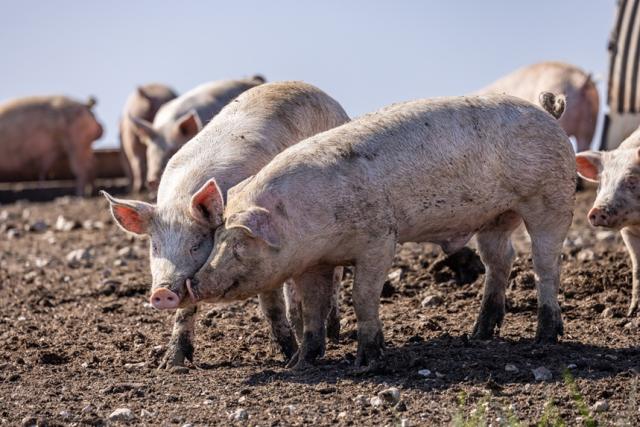
The UK pig sector has faced considerable challenges in recent months. Many producers and processors are navigating volatile prices, rising input costs and wider supply chain uncertainty, all of which can place additional pressure on commercial relationships.
Against this backdrop, confidence, clarity and fairness across the supply chain are more important than ever.
The survey will help the Agricultural Supply Chain Adjudicator (ASCA) better understand:
- Industry awareness of the Fair Dealing Obligations (Pigs) Regulations 2025.
- These regulations are intended to support clearer and more transparent contractual relationships between producers and purchasers, helping to improve confidence across the supply chain.
- Industry awareness of the role and functions of the ASCA.
Your feedback will help identify where further guidance, communication or engagement may be needed. It will also help the ASCA understand how the regulations are operating in practice and inform discussions with policy colleagues in Defra. It takes around 10 minutes to complete and will close on 27 July 2026.
Read on for a reminder of the Hedgerow Management Rules for cutting and trimming, including details on exemptions when sowing oilseed rape or temporary grass in August, and under what circumstances you can apply for a derogation.
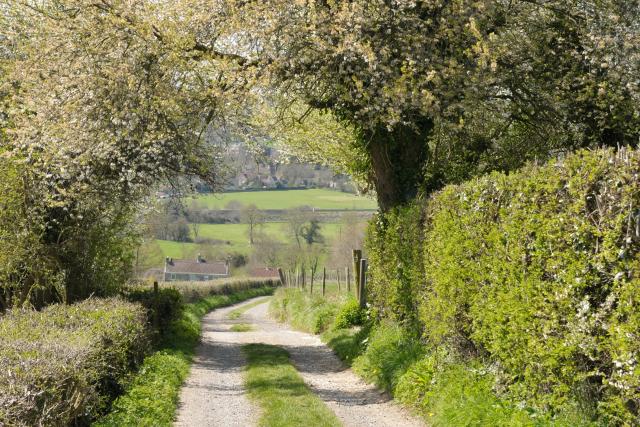
A reminder of the rules:
To protect active bird nests during this time, there is a hedgerow cutting and trimming ban from 1 March to 31 August (inclusive)
To prevent harm to the structure and health of the hedgerow, the regulations require a 2-metre buffer strip, measured from the centre of a hedgerow, where a green cover must be established and maintained
No cultivation or use of pesticides or fertiliser on land within 2 metres of the centre of a hedgerow
Exemptions
There are a number of situations under which you are excepted from the rules, and you do not need to notify the RPA to ask for the exemptions.
- These are detailed at gov.uk/guidance/hedgerow-management-rules-cutting-and-trimming#exemptions-from-the-rules
- You must keep a record of all works that you carry out under an exemption. If you are visited by the RPA you must be able to prove how and why you relied on the exemption.
Exemptions when sowing oilseed rape or temporary grass in August
You need to notify the RPA each year before you can cut or trim a hedgerow in August to sow oilseed rape or temporary grassland during the same August.
However, you do not need to wait for written permission before carrying out any work. As long as you meet the rules of the provision, you only need to make sure your notification is received by the RPA
Details can be found at gov.uk/guidance/hedgerow-management-rules-cutting-and-trimming#exemptions-when-sowing-oilseed-rape-or-temporary-grass-in-august
The RPA have put together an explorative blog about what has happened since the introduction of new regulations in 2024, including answers to frequently asked questions, information on derogations and the involvement of Local Authorities.
Derogations
You can apply to the RPA for written permission (a derogation) to be exempt from the rules for any of the following reasons:
- it would enhance the environment
- it is necessary in relation to livestock or crop production
- it would improve public or agricultural access
Before applying for any derogation, consider the impact it may have on any agri-environment agreements you have.
How to apply for written permission (a derogation)
To apply for a derogation, you must email or write to the RPA.
You should:
- send all the available evidence (for example, photographs or diagrams)
- explain what you want to do
- include the land parcel numbers you want the derogation for
- use the subject heading ‘Hedgerow management rules derogation’
You must wait for the RPA to consider your request and grant any successful derogation in writing before carrying out any work
Making Tax Digital for Income Tax: First Quarterly Update deadline
Making Tax Digital (MTD) for Income Tax is now legally required for sole traders and landlords with a turnover of over £50K.

MTD will then be rolled out to individuals with turnover above £30,000 from April 2027, and £20,000 from April 2028. The deadline for the first quarterly update is quickly approaching, and individuals are being encouraged to take action now to ensure you are ready to send your unadjusted summary of your income and expenses to HMRC by 7 August 2026.
To understand more about the new process, how it applies to you, choosing compatible software and how to sign up visit HMRC Making Tax Digital for Income Tax.
What are Quarterly Updates?
If you’ve signed up to Making Tax Digital for Income Tax in April 2026, you should now be creating your records digitally in preparation for sending HMRC your first quarterly update by 7 August 2026.
Quarterly updates are just simple unadjusted summaries of how your business is doing, in four smaller chunks, pulled from your records.
You’ll need to send a quarterly update for each self-employment and property income source.
You’ll send quarterly updates to HMRC every 3 months using compatible MTD software of your choice.
Your MTD compatible software will pull these updates from the digital records you have been keeping.
Your software will add together your digital records for each business that you have, to create totals for each income and expense category.
How do Quarterly Updates help you?
Quarterly updates support forward planning, better cashflow and better cash management; these are all essential for supporting businesses to plan more effectively for making tax payments.
The closer to real-time data provided through the quarterly updates allows you to call-up estimates of your tax bill on demand throughout the tax year, helping to support your tax planning and avoid any January surprises.
Each time you send HMRC a quarterly update it will cover the tax year to date, not just the previous three months. This means if you need to correct your earlier records you don’t need to re-send previous updates, as any correction would be included in your latest update by your software.
When it is time to complete your tax return at the end of the year, your tax return will then be pre-populated with information HMRC already holds – including any information you have already provided via quarterly updates, saving you time.
Where to find more information:
- Check MTD for Income Tax dates you need to know for a clear timeline of start dates, quarterly update deadlines, and self-assessment tax return deadlines.
- Check the new late submission and late payment penalties for information on the new penalties under Making Tax Digital for Income Tax.
- For further information and support, visit Help and Support for Making Tax Digital including webinars, videos, and support content for taxpayers, businesses and agents.
Following the first payments for 2026’s Countryside Stewardship Higher Tier to farmers across England, Natural England take a look back at those who have used it to make real gains for their land and businesses.
Paul Loundon runs Wilkswood Farm on the south Dorset coast, as part of a tenancy agreement with the National Trust. Paul came into farming 40 years ago due to his love of nature but ended up driven towards the intensive grazing of sheep, which damaged the landscape he loved. The Higher Tier agreement he entered into, managed by Natural England’s Emma Tomlin, enabled Paul to change the stock over from sheep to native cattle, grazing on an entirely pasture-based system.
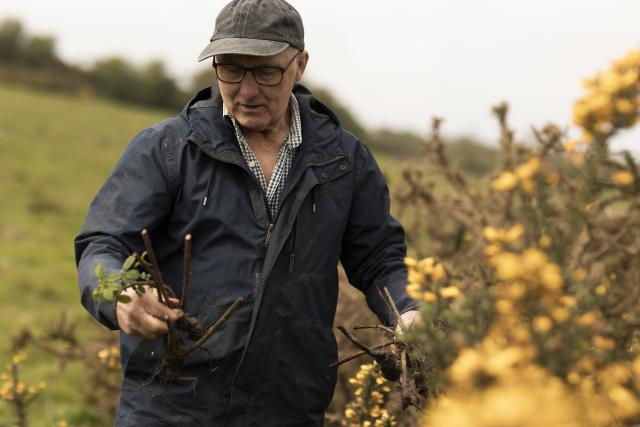
Picture credit to National Trust/James Beck
“Paul found that CSHT gave him the opportunity to deliver meaningful gains for local wildlife alongside producing high‑quality meat,” Emma said. “Each measure we added, from creating wood pasture to using native cattle breeds, has worked together to improve soil resilience and align with the sustainable way Paul wants to run things”.
The tailored advice from Natural England, working in partnership with the Southwest Farming and Wildlife Advisory Group, has enabled Paul to take on a range of nature restoration projects while still running a viable business.
Paul said “The advice and payments have helped me set up a sustainable way of managing an organic beef herd, which are completely pasture-fed, live outdoors all year and calve in the fields, making it much more economical than having to buy feeds and fertilisers”.
“This way, I can supply the local economy with meat while creating a place where nature can thrive. I feel like I have come full circle.”
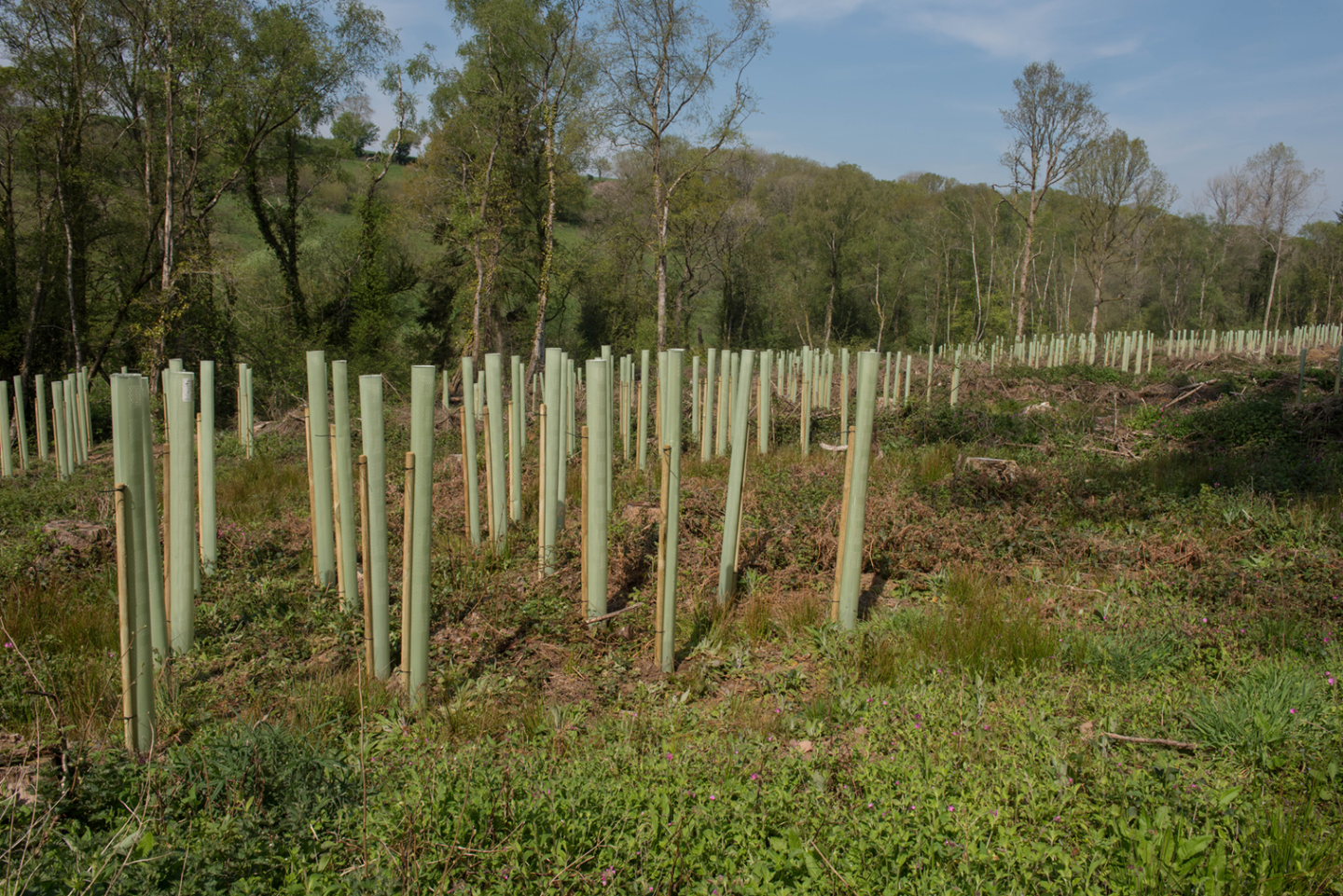
Agroforestry – the deliberate integration of trees into farming systems – is gaining momentum across England as farmers look to diversify outputs, future-proof their businesses and strengthen on-farm resilience.
Farmers, growers and foresters are using agroforestry's versatility to support local ecological networks, improve livestock welfare and create new income streams. Applications to our grants range from fruit, nut and timber production to carbon sequestration, biodiversity gains and niche markets such as truffles and seed orchards.
Silvopasture systems
Integrating trees into grazed systems offers significant welfare and productivity benefits. Tree fodder (the edible parts of trees for livestock) contributes to a substantial proportion of livestock diets, 12% for cattle and 21% for sheep. During periods of drought and stress, this can rise to 55% and 76%, respectively. Species such as willow provide natural antiparasitic and antiseptic properties, while canopy cover reduces heat stress, lowers mastitis risk and can extend grazing seasons. In well-designed systems, high-value hardwoods such as black walnut and wild cherry also deliver long-term timber returns.
Silvoarable systems
Integrating trees into arable settings typically converts just 5–10% of cropped land. Farmers regularly report improvements to soil organic matter, water retention and integrated pest management, with many maintaining stable or increased yields alongside an additional tree crop.
Getting Started: Funding and grants are available to help make agroforestry a reality.

How to apply for consent for Sustainable Farming Incentive (SFI) actions on Sites of Special Scientific Interest (SSSIs)
Following the re-opening of the Sustainable Farming Incentive (SFI) in 2026, Natural England have provided information about consent for specific management activities, on land within SSSIs.
Why consent matters
SSSIs are legally protected, and some farming activities require written consent from Natural England before you begin. This is separate from your SFI agreement, which doesn't automatically grant consent.
Getting consent early means your payments are protected and your land continues to thrive. Working without consent can lead to enforcement action and delayed or lost SFI payments.
If you already hold consent for your planned activities that covers your full agreement period, you don't need to apply again.
How Natural England can help
To help you get consent please follow the help and guidance outlined below:
- Check whether your land is an SSSI using MAGIC or the Designated Sites System (DSS).
- Review the Operations Requiring Natural England's Consent (ORNECS) list for your SSSI.
- For each SFI action, ask: will any of my planned management appear on the ORNECS list? If yes, you need consent.
- Apply using the Online Consent Portal at GOV.UK — search "Sites of special scientific interest: managing your land."
Please submit your notice after your SFI application, so it accurately reflects your planned management and keep a note of your Notice Form reference number for future correspondence.
What to include in your notice
A notice should set out the who, what, where, when and how, including:
- owner/occupier details and SSSI name
- your Single Business Identifier (SBI) number
- your SFI agreement reference number
- where on the SSSI the work will take place
- what operations will be carried out and how
- timing and frequency (covering the whole SFI agreement period)
- machinery and methods, where relevant
NB - Simply referring to SFI guidance is not sufficient.
Additional detail for some SFI Actions
Some actions (for example upland moorland options or low-input grassland) often need more detail, such as:
- stocking types, numbers and timings
- cutting or grazing regimes
- scrub, weed or supplementary feeding management
What you can expect after you submit a notice
- Natural England may request further information
- Your SFI agreement cannot go live until receipt of a notice is confirmed
Please Note:
- Payments may be delayed if consent cannot be determined (due to delays when responding to requests for additional information).
- Consent will only apply to the management described in your notice. Any other work must not be carried out until further consent is obtained.
If you are unsure, please seek professional advice at an early stage.
The Environment Agency’s updated prospects for irrigation across England in 2026 are MODERATE to GOOD.
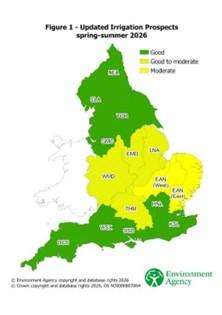
Overall irrigation prospects: Moderate to Good
The dry spring has contributed to a downgrade to the irrigation prospect forecast in some areas since the last report in April. The updated irrigation prospect forecast across England for Summer 2026 is overall Moderate to Good. This is particularly evident in parts of East Anglia and West Midlands where conditions are projected to be Moderate to Poor.
The irrigation prospects reflect the water situation using current river flows, groundwater conditions, latest available weather forecasts and Met Office seasonal outlooks.
Please read the full report here: Updated prospects for irrigation – area forecast 2026 | Farming Advice Service and keep up to date with water situation reports at Water situation reports for England - GOV.UK
Looking to improve your water resilience? LRO screening study applications deadline
Don’t Miss Out on An Opportunity to Improve Your Water Resilience - LRO Screening Study Applications Open Now.
The current round of Local Resource Option (LRO) Screening Study applications runs through 05 July 2026. These studies are open to small groups of farmers or growers- typically 2 to around 15- who come together to strengthen their water resilience by applying for a government-funded, specialist-led evaluation of future water resource scheme options in their local area.
Through the LRO programme, you will receive:
- A consultant-led assessment of your group’s local water challenges
- Practical, costed options to improve your water resilience
- The chance to collaborate with neighbouring farms and stakeholders
Over the past two years, more than 170 farms across five regions in England took part in the programme, which identified a wide range of local solutions and received strong positive feedback.
You can now view case studies from the previous LRO projects on the EA Water Hub.
The application form and guidance on how to apply can be found here: How to apply for a local water resources options screening study - GOV.UK
If you are trying to pull an application together but run out of time, please get in contact with WRAgriculture@environment-agency.gov.uk we may be able to add you to a reserve list.

Defra regularly updates the Farming blog. Please subscribe to the blog to ensure you receive all the latest news.
Get a funded vet visit for poultry
Avian influenza remains a serious risk for poultry keepers across England, and good biosecurity is one of the most effective ways to reduce it. That’s why Defra are introducing funded Poultry Biosecurity Reviews as part of the Animal Health and Welfare Pathway.
Eligible poultry keepers can now get a funded visit from a vet of their choice, who will visit the farm and provide a written report with practical, tailored recommendations to reduce the risk of disease including bird flu.
Biosecurity risks vary between farms - what works on one farm may not work on another. So, the advice you receive will be specific to your site.
You can claim £430 to cover the cost of the visit - with a vet of your choosing - and you can organise a review once every ten months.
The review is available to keepers with at least 1,000 egg-laying hens, meat chickens or breeding chickens, or at least 500 ducks, turkeys or geese. And you can apply for a review for each eligible site. All funded visits must be completed by 31 December 2028, and claims must be submitted by 31 March 2029.
Find out more and how to apply in this Defra Farming Blog post.
Expert-led recommendations published for a new bovine TB control strategy
On Wednesday 10 June, Defra welcomed a new recommended strategy to help tackle bovine TB as part of the drive to achieve TB-free status for England by 2038.
An independent steering group of farmers, scientists, veterinarians and academics was convened by Defra in 2024 to review and redesign England’s approach to achieve TB-free status and recommend how progress towards TB freedom can be accelerated.
Many of the recommendations focus on intervening earlier to prevent disease spread, including through strengthened cattle controls, improved surveillance, enhanced testing and vaccination. Together, they reflect the importance of reducing infection before it becomes established, while supporting the long-term transition away from widespread badger culling.
Ministers will now carefully consider the Steering Group’s findings alongside existing evidence, stakeholder views and delivery considerations.
This Government is already delivering on some of these recommendations, including:
- continued development of a safe and effective cattle vaccine, which the steering group sets the ambition to deploy by 2030;
- the wider roll-out of gamma testing;
- the establishment of a new badger vaccination field force;
- and a new badger found dead programme to monitor TB in badger populations
Achieving TB-free status would mean healthier cattle, stronger farm businesses and greater confidence to invest, while enhancing the reputation of British livestock and supporting future trade opportunities.
A full copy of the steering group’s recommendations has been published on the TB Hub, as well as a summary leaflet.
Preparing your business for smoother trade with the EU: Further information published
On 19 May 2025, the UK government and the European Union (EU) agreed to pursue a new Sanitary and Phytosanitary (SPS) agreement. This, together with the Windsor Framework, will make it easier, cheaper and more predictable for goods to move not just between the UK and the EU, but also within the UK itself, including smoother movements from Great Britain to Northern Ireland.
On 9 March 2026, Defra urged businesses to prepare for the UK-EU Sanitary and Phytosanitary (SPS) agri-food deal, outlining several practical steps businesses could take to get ready.
On 28 May, the government also published sector specific information, alongside a phased programme of support to help businesses get ready for smoother EU trade. This will include further detail on upcoming changes in summer 2026, including detailed guidance and practical tools such as checklists ahead of implementation.
Businesses and sector organisations including farmers and growers are encouraged to stay informed and begin conversations with trusted advisers - such as vets, agronomists and trade bodies - to support readiness, with the agreement expected to take effect from mid-2027.
Read this Farming Blog to find out more about the guidance to help businesses understand what these changes could mean in practice and the steps they may need to take to prepare.
Boosting farming innovation: £123 million to back England's farmers
The Farming Innovation Programme (FIP) budget for this year has been boosted to £123 million — an increase of £53 million from the figure announced at February's NFU Conference. This is part of our long-term commitment to back England's farmers, solve on-farm challenges, and build a resilient, productive farming sector.
This investment is concrete action the Government is taking for farmers now, as early action towards the new 25-year Farming Roadmap announced on 24 June.
Three new FIP grants opening this summer
The following FIP competitions will be opening over the coming months:
- Feasibility Studies (Round 5) opens 15 July 2026: Testing early-stage solutions with the potential to improve the sustainability, productivity and resilience of UK farming.
- Farming Futures - Robotics and Automation (Round 8) opens 3 August 2026: Developing cutting-edge automation and robotic technologies to boost productivity.
- Small R&D Partnerships (Round 5) opens 1 September 2026: Commercialising new and innovative farming products closer to market.
One year of ADOPT: doubling down on farmer-led innovation
This year also marks the first anniversary of the ADOPT Fund, the unique new FIP competition led by farmers to trial upcoming technology on farm. With more than 200 projects already successful, we have now increased the maximum project funding from £100,000 to £200,000, so farmers can go even further with their projects.
ADOPT continues to be open, with £30 million to allow further projects to go ahead this year, and we encourage farmers to apply.
Innovation in action: trials to reduce fertiliser costs on England’s farms
Nitrogen fertiliser is one of the biggest costs in arable farming. With Defra FIP grant funding, the ENRICH project is identifying naturally occurring bacterial strains that help wheat crops absorb nitrogen more efficiently from the soil, reducing the need for synthetic inputs.
The team in the East of England has identified promising candidate strains, scaled up their production and is now into a second season of field and glasshouse trials. The aim is for farmers to be able to treat their crops with beneficial bacteria rather than applying additional fertiliser — cutting costs, reducing environmental impact and building greater resilience against fertiliser price shocks.
Projects like ENRICH show how this investment in homegrown agricultural innovation helps protect Britain's food security.
Find out more about all three summer competitions and the full FIP package’s £53 million boost in this Defra Farming Blog post.

Rural Payments Agency Blog
To stay up to date with the latest information and updates from the Rural Payments Agency (RPA), sign up to the RPA Blog.
You can also listen to the RPA Podcast, which has been launched to help farmers, landowners and rural communities keep up to date with the latest news from the RPA. You can also follow the RPA on social media:
- X @ruralpay
- Facebook: facebook.com/RuralPaymentsAgency
- YouTube: Rural Payments Agency
- Instagram: ruralpay.
Stay up to date with the Sustainable Farming Incentive (SFI) blog posts here.
The Rural Payments Agency has launched a series of 'How to' videos to help farmers prepare for a farm visit and meet your regulatory requirements.
The video series of practical guides covers everything from identification visits to getting set up online.

Free and confidential advice
The FAS is funded by the Department for Environment, Food and Rural Affairs (Defra). We provide free, confidential advice to help farmers and land managers in England understand and meet the legal requirements in English law around certain farming activities to protect people, livestock and the environment. We update the farming sector on relevant government farming policy that is applicable in England and on the actions that can be taken to help farmers comply with the relevant regulations. Our newsletter also provides articles on topics that are complementary to farming regulation, such as practices that benefit the wider environment and wellbeing support.
Our website hosts our previous newsletters, as well as technical articles and webinars that cover various topics in more detail.
Contacting the advice line: Farmers requiring telephone advice can contact the FAS technical advice line on 03000 200 301, Monday to Friday, between 08:30 and 17:00. The Rural Services Helpline provides a single number for all FAS, Rural Payments Agency (RPA), Animal and Plant Health Agency, Natural England and Forestry enquiries.
You can also email enquiries to advice@farmingadviceservice.org.uk. Our helpline team aims to respond to all telephone and email enquiries within one working day.