
Thank you for continuing to subscribe to our monthly newsletter. We hope you continue to find the content useful and we welcome any feedback or suggestions on topics that you would like to see covered in future editions of the newsletter.
FAS technical advice line: 03000 200 301
- Please complete the FAS User Survey
- Key dates to be aware of
- Upcoming Events
- Get ready to apply for the Capital Grants offer
- Online resources to help managing rising production costs
- A new edition of the UK’s RB209 guide launches
- New British Sugar and Soil Association exchange scheme
- Apply for a Lowland Peat Water Discovery Grant
- Environment Agency irrigation prospects - updated forecast for Spring 2026
- Updates from the Defra Farming blog and industry announcements
- New nature market standards benefit farmers
- Government to strengthen supply chain fairness by bringing the Groceries Code Adjudicator under Defra
- New fertiliser regulations will back British farmers and cut pollution
- Unlocking private investment to bring new innovations to farms faster
- Biodiversity Net Gain: what it means for farmers
- More time to apply for farming equipment and technology
- Rural Payments Agency: Updates and Guidance
- How can we help you?
- Stay up to date with us

Please spend a few minutes completing the Farming Advice Service User Survey. The questions include multiple choice and free-text options, asking for your views on the services we provide and suggestions on how they could be improved.
The survey will be open until 31 May 2026.
FAS Bank Holiday Closure
Please be aware that on Monday 4th May and Monday 25th May, our helpline service will be closed for the May bank holidays. You can still email us with any queries to advice@farmingadviceservice.org.uk and a member of the team will get back to you as soon as possible.
If your farmland is located within a Nitrate Vulnerable Zone (NVZ), by 30th April each year you must make a record of:
- the numbers and type of livestock you kept in buildings or on hard standing during the previous slurry/manure storage period
- the dates for the start and end of use and locations of any field sites you use for storing solid manure.
You do not need to record the start and end dates for your use of field sites separately if you record them on your risk map. You must keep these records for 5 years. (GOV.UK)
You now have until midday on Tuesday 12 May to apply for a grant through the Farming Equipment and Technology Fund (FETF), giving you more time to complete an existing application or start a new one. (GOV.UK)
In case you missed them
You must not cut or trim a hedgerow that is covered by the Hedgerow management rules between 1 March and 31 August. You must not cause or permit another person to cut or trim such a hedgerow.
Further details, including situations where exemptions apply, can be found on GOV.UK.
The burning season for heather, rough grass, bracken, gorse or vaccinium is:
• 1 October to 15 April in upland areas
• 1 November to 31 March in other areas.
(GOV.UK)
For more details about the information provided in the key dates table, visit the Rules for Farmers and Land Managers and the relevant pages of GOV.UK.
Upcoming Events

In February, Defra announced that the Capital Grants offer will re-open in July.
This new round will make £225 million, 50% more than in 2025, available to farmers to improve farm infrastructure and carry out works that help them make environmental improvements across England.
This year Defra are placing greater emphasis on receiving supporting evidence up front so that applications be assessed more quickly and fairly and make best use of the available funding.
To get ready to apply for the Capital Grants offer, please read this Farming Blog post carefully to understand what supporting evidence you need to prepare to apply.
Defra will publish the full scheme guidance and applicants guide prior to opening the window for applications.
Rising energy costs, global uncertainty and increasing pressure to cut emissions are all shaping decision‑making on UK farms.
Events beyond our borders – including the ongoing Middle East conflict – continue to influence fuel prices, fertiliser markets and energy security, reinforcing the need for resilient, efficient farming businesses.
To help farmers navigate these challenges, we have brought together a set of practical, trusted resources that explore the wider impacts of global events on agriculture and offer clear, actionable guidance on improving on‑farm energy and fuel efficiency. From understanding market implications to identifying cost‑saving opportunities and long‑term carbon reductions, these tools are designed to support informed, confident business planning.
- Middle East conflict: Impacts and implications for UK farmers - AHDB
- Energy Improvement Guide - SFAS
- GrowSave – an energy efficiency platform - AHDB
- Farm Carbon Cutting Toolkit - Energy Efficiency Guide (pdf)
- Energy efficiency guide: Agriculture - The Carbon Trust
- Practical ideas for fuel-use efficiency on farm – NFUonline

A new edition of the RB209 guide has been published by the AHDB, which helps growers make the most of organic materials and balance the benefits of fertiliser use against the costs – both economic and environmental.
For more information or to order a copy, visit the AHDB website here; Latest edition of Nutrient Management Guide RB209 now available | AHDB
UK sugar beet growers can join a new initiative being launched by British Sugar to help the transition to more sustainable farming practices with financial rewards.

British Sugar have collaborated with the Soil Association Exchange to financially reward growers for improvements in UK sugar beet production’s sustainability credentials.
The Soil Association Exchange independently verifies and financially rewards environmental improvements using measurements across six key areas, including soil, water, biodiversity, and carbon.
You can read more about the collaboration here; New scheme to financially reward UK sugar beet growers for cutting carbon emissions | News
On 8 April Defra opened the Lowland Peat Water Discovery Grant for applications.
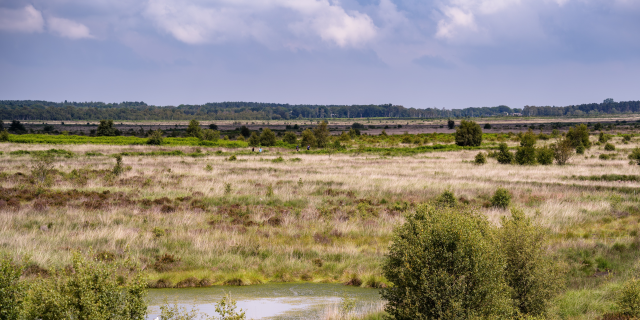
Up to £4.5 million is available to help farmers and local partners explore more sustainable ways of managing water in lowland peat areas.
Peatlands hold over half of England's land-based carbon. When healthy and wet, they lock in carbon and support wildlife, cleaner water and natural flood protection. However, most of England’s lowland peatlands have been drained over the past few centuries. As peat dries, it breaks down, soil is lost, land sinks and carbon is released into the atmosphere.
Delivered by the Environment Agency, the grant will encourage groups of local stakeholders to work with farmers or landowners to explore what changes to water management could mean for farmland on lowland peat. Projects can receive between £50,000 and £300,000 in funding and will produce a practical plan for raising water tables safely and sustainably.
The deadline to apply is 26 June 2026.
The Environment Agency has published an updated irrigation prospects report for Spring 2026.
This follows February’s initial prospects report and includes an update on the current water resources situation and a full area irrigation forecast, including the latest hydrological information and guidance on improving short and long term resilience for the agriculture sector.


Defra regularly updates the Farming blog. Please subscribe to the blog to ensure you receive all the latest news.
New nature market standards benefit farmers
Secretary of State Emma Reynolds hosted a Roundtable on 24 March, bringing together investors and businesses to help unlock more private investment in nature recovery.
Nature markets can provide farmers with an additional source of income, as organisations look for new ways to meet environmental goals. Through these markets, farmers and land managers can be paid for the environmental benefits their land delivers, such as carbon storage, habitat creation, water quality and natural flood management. These benefits can be measured, valued and sold as credits or units.
At the moment, different approaches to investment are used across the market. This can make it harder for land managers, buyers and investors to compare projects and understand what good investment agreements look like.
To address this, the British Standards Institution (BSI), working with Defra and the devolved administrations, developed the Nature Investment Standards programme.
At the roundtable, two government-sponsored British Standards Institution Nature Investment Standards were launched to help build trust and confidence in nature markets.
These standards will create new opportunities to generate income alongside food production. Many of the actions involved, such as improving soils, restoring habitats, managing water and supporting wildlife, are already part of everyday land management.
Read the full Defra Farming Blog to find out how farmers and land managers can benefit from nature markets.
New fertiliser regulations will back British farmers and cut pollution
British farmers are set to benefit from access to new and innovative fertilising products which could reduce air, land and water pollution under new government proposals launched 19 March. The consultation and call for evidence set out plans to support innovation in the fertiliser sector, diversify supply, and strengthen the UK’s resilience to global market shocks.
Responses are invited from farmers, manufacturers, environmental groups and wider industry.
On 8 April the deadline was extended in response to feedback from the sector, providing more time for farmers to share their views. It now closes on 10 June.
These proposals will help strengthen future fertiliser supply and protect the environment, as well as being more agile to enable new products to enter the market.
Biodiversity Net Gain: what it means for farmers
New updates to Biodiversity Net Gain (BNG) could make development easier for farmers and provide a new income stream.
BNG requires development to leave nature in a better state than before. The positive effects are already becoming clear, with BNG set to prevent between 6,000 and 10,000 hectares of habitat loss annually.
Streamlining BNG for small developments
If you are planning a small development on your land - such as a new agricultural building - and it covers 0.2 hectares (half an acre) or less, it will soon be exempt from BNG requirements. This means less paperwork and reduced reliance on specialist advice.
The change is expected by July 2026 and is intended to make it quicker and cheaper to carry out minor works while continuing to support nature recovery.
A potential new income stream
From November 2026, mandatory BNG will also apply to major infrastructure projects including transport, energy and water developments. Where developers cannot meet their BNG requirements on their own land, they may do so by securing biodiversity gains elsewhere. This creates opportunities for farmers and land managers to provide habitat creation or enhancement, generating biodiversity units which can be sold to developers. More projects covered by BNG means more potential demand for biodiversity units.
The government is also consulting on whether residential development on brownfield land should be exempt from BNG. The consultation closes on 10 June 2026.
Government to strengthen supply chain fairness by bringing the Groceries Code Adjudicator under Defra
On 7 April, the government announced that responsibility for the Groceries Code Adjudicator will transfer from the Department for Business and Trade to Defra from 1 July 2026.
This change takes forwards a key recommendation from Baroness Minette Batters' Farming Profitability Review, supporting a more joined-up approach to fairness across the food supply chain. Read the full Press Release here.
Unlocking private investment to bring new innovations to farms faster
Defra have announced a further £5 million round of the Farming Innovation Programme (FIP)'s Investor Partnership competition, helping agri-tech businesses to bring brilliant farming innovations to market to benefit farmers.
This competition will use £5 million in Defra funding to attract at least a further £10 million of private sector investment, helping small and medium agri-tech enterprises to accelerate innovative new products.
It is part of the Government's Industrial Strategy commitment to spend at least £200 million on agricultural innovation up to 2030, solidifying Britain as a global leader in agri-tech and driving growth across our rural communities.
Projects making a difference for England's farms
Last year's funding is set to unlock more than £40 million in private investment for agri-tech growth, supporting up to 12 new projects, including the following two:
Upcycled Plant Power (UPP) is developing a new way to turn vegetable waste, such as broccoli stems, into high-quality plant-based protein from bread to protein powder. By using parts of crops that are currently grown but thrown away, this is both providing farmers with additional income and reducing waste. In addition, this offers a low-waste alternative to imported protein sources.
Growing rapidly since establishment in 2021, Rhizocore Technologies harnesses the power of native fungi pellets to plant in the soil with tree saplings to help them thrive. This sustainable solution is boosting tree survival by more than 20% and growth by up to 13x after the first year, supporting livelihoods in commercial forestry and restoring biodiversity through native woodland creation projects.
Find out more about the Investor Partnership competition in the Defra Farming Blog post.
More time to apply for farming equipment and technology
The Farming Equipment and Technology Fund (FETF) application window is now open until midday on Tuesday 12 May, extended from the original deadline of Tuesday 28 April.
This gives those who have started but not yet submitted more time to complete their applications, and new applicants time to apply. If you have already submitted your application, you will not be able to edit it. The fund details remain the same. Visit the latest post on the Defra Farming Blog for more information on securing this funding.
Grants of up to £25,000 are available for helping to purchase machinery that boosts farm productivity, manages slurry, or improves animal health and welfare. From autonomous robots that precisely plant seeds in fields, to slurry separator systems that bring down reliance on expensive fertilisers, there are tools for all.
The Rural Payments Agency has launched a series of 'How to' videos to help farmers prepare for a farm visit and meet your regulatory requirements.
The video series of practical guides covers everything from identification visits to getting set up online.
Rural Payments Agency Blog
To stay up to date with the latest information and updates from the Rural Payments Agency (RPA), sign up to the RPA Blog.
You can also listen to the RPA Podcast, which has been launched to help farmers, landowners and rural communities keep up to date with the latest news from the RPA. You can also follow the RPA on social media:
- X @ruralpay
- Facebook: facebook.com/RuralPaymentsAgency
- YouTube: Rural Payments Agency
- Instagram: ruralpay.
Stay up to date with the Sustainable Farming Incentive (SFI) blog posts here.

Free and confidential advice
The FAS is funded by the Department for Environment, Food and Rural Affairs (Defra). We provide free, confidential advice to help farmers and land managers in England understand and meet the legal requirements in English law around certain farming activities to protect people, livestock and the environment. We update the farming sector on relevant government farming policy that is applicable in England and on the actions that can be taken to help farmers comply with the relevant regulations. Our newsletter also provides articles on topics that are complementary to farming regulation, such as practices that benefit the wider environment and wellbeing support.
Our website hosts our previous newsletters, as well as technical articles and webinars that cover various topics in more detail.
Contacting the advice line: Farmers requiring telephone advice can contact the FAS technical advice line on 03000 200 301, Monday to Friday, between 08:30 and 17:00. The Rural Services Helpline provides a single number for all FAS, Rural Payments Agency (RPA), Animal and Plant Health Agency, Natural England and Forestry enquiries.
You can also email enquiries to advice@farmingadviceservice.org.uk. Our helpline team aims to respond to all telephone and email enquiries within one working day.